
Is P999 safe? — and the related search, “P999 real or fake” — doesn’t have a single yes-or-no answer, because P999 isn’t a single website. In 2026 several independently-run sites use the P999 name, each with its own sign-up flow, claimed app size and bonus figures, and none of them publicly disclosing a formal Pakistani gaming license.
This page lays out what we could actually confirm about licensing and legitimacy, why more than one site shares the name, and the practical checks that matter regardless of which portal you land on: confirming the domain before you enter anything, guarding your OTP, and downloading the APK only from the portal’s own page. Treat P999 as entertainment for adults 18 and over — no outcome is guaranteed.
Why There's More Than One "P999" Website
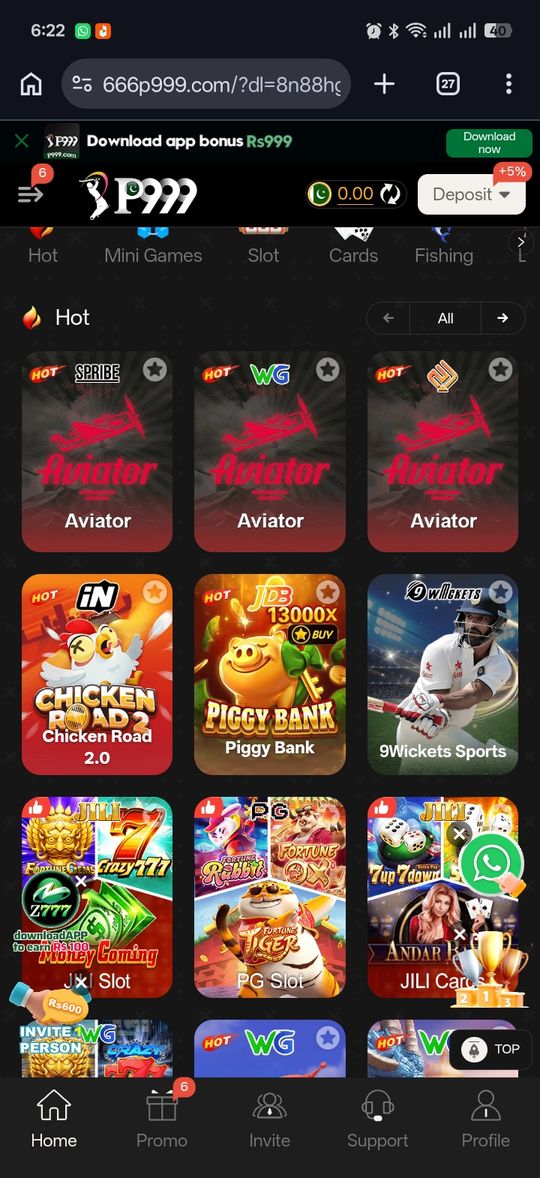
Researching P999 turns up several separate, independently-run websites using the same name — each with its own sign-up flow (some OTP-only, others requiring a password), its own claimed app details, and its own bonus figures. This pattern of one brand name being mirrored across multiple promotional sites is common in Pakistan's real-money gaming space, and it's the reason so much about P999 seems to "depend which page you're on."
Licensing Status — What We Could and Couldn't Confirm
No P999 portal we reviewed publicly discloses a formal Pakistani gaming license. That places it in the same legal grey area shared by most local real-money gaming apps — it isn't unique to P999, but it also isn't a point in its favor. We could not independently verify licensing through any official regulator listing, and no portal we checked linked to one either.
How to Tell You're on the Portal You Intend to Use
Since claimed app size, bonus numbers, and even the login method itself vary by portal, the safest habit is verifying the exact site before entering anything.
- Confirm the domain matches the one you intended to use before entering your mobile number
- Be skeptical of a portal whose claims (bonus size, app size, processing times) don't match what you've seen elsewhere for the same brand
- Bookmark the specific portal you use rather than searching and clicking a fresh link each time
Protecting Your OTP, Password and Wallet PIN
This is the one rule that holds regardless of which portal you're on.
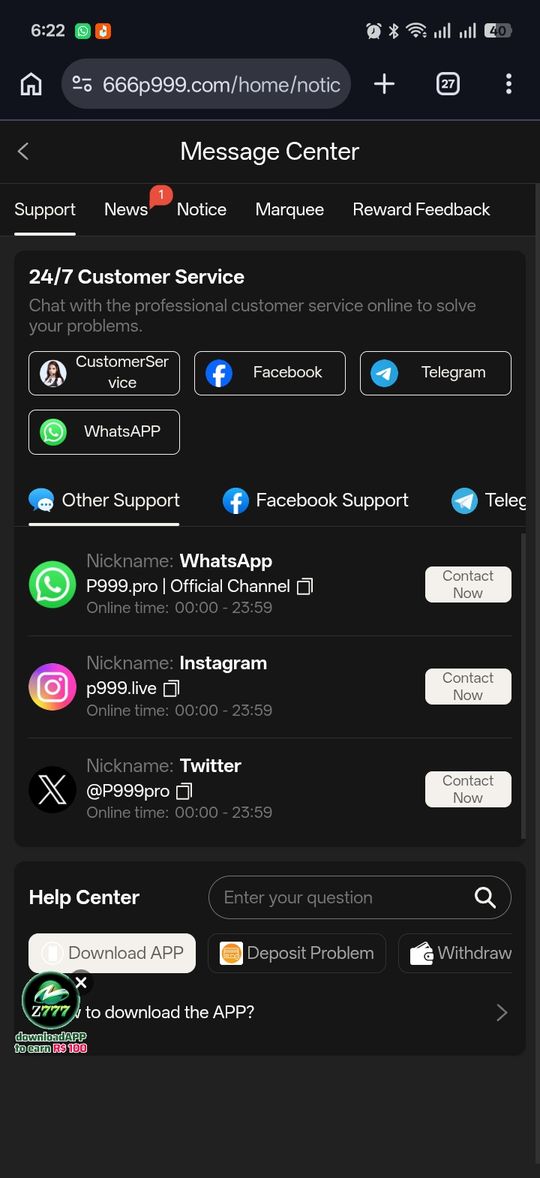
- Only ever enter your OTP, password, or wallet PIN inside the official app you installed yourself
- A page that asks for any of these directly on a website — not inside the app — is a hard warning sign
- "Instant bonus for entering your OTP here" is a scam pattern, not a real promotion
How We Reviewed This
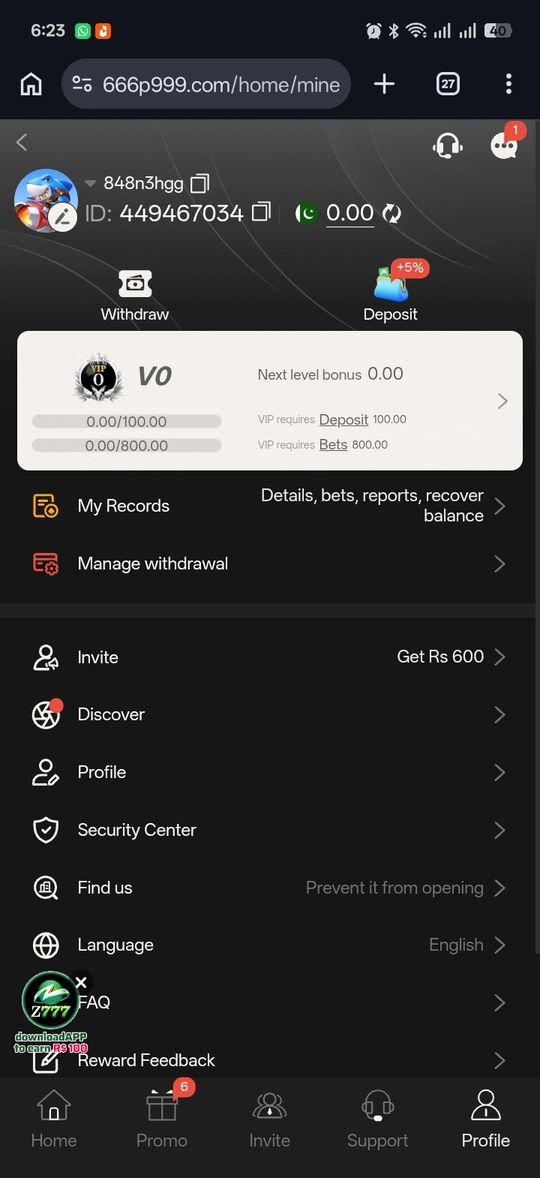
This assessment is based on comparing publicly available information — login flow, on-page claims, and bonus figures — across every P999-named domain we could find, not on operating or auditing any portal ourselves. We are not a licensing body and this page isn't a certification; it's a summary of what's publicly checkable and what isn't. See our editorial policy for how we handle updates and corrections.
What "No Disclosed License" Actually Means
It's worth being precise about this rather than treating it as a simple verdict either way. "No disclosed license" means we could not find a portal linking to, citing, or displaying a specific Pakistani gaming regulator's license number or registration. It does not mean we've confirmed the platform is unlicensed, nor does it mean it's confirmed to be operating illegally — we simply couldn't verify a license claim because none was made publicly available anywhere we looked. That absence of information is itself the finding, and it's the same finding across virtually every platform in this space, not something distinguishing P999 for better or worse.
Red Flags Worth Learning to Spot
Beyond the specific checks above, a handful of general patterns apply across P999 and similar platforms.
- A page that pressures you to act immediately ("bonus expires in 5 minutes") to skip normal verification habits
- A referral link that leads to a domain that looks slightly different from the one you expected
- Any request to screen-share or remotely access your device to "help" you log in
- A support contact that only exists as a chat widget with no other way to verify who you're talking to
Is P999 an “earning app”? Understanding the risk
P999 is often described in ads and referral messages as an “earning app.” That label undersells what it is. An earning app implies a predictable return for your time or money; P999’s games — slots, crash games, card games, prediction — are chance-based by design. Outcomes depend on luck, not effort, and no result is guaranteed. Bonuses and referral credit are real, but the underlying activity can reduce your balance just as easily as it adds to it.
“Earning” framing is common across this whole category because it converts better than being upfront about gambling-style risk. Reading past the marketing language to the actual mechanic is the single most useful habit here.
Recognising when play is becoming a problem
- Depositing again shortly after telling yourself you were done for the day
- Increasing bet sizes to recover a loss rather than because you planned to
- Losing track of how much you’ve deposited over a week or month
- Feeling anxious or irritable when not playing
If any of these sound familiar, stop and take a break. Set a fixed budget before opening the app and stop when you hit it, win or lose. Some portals offer account-level deposit limits or cool-off periods — check your account settings. This site can’t provide problem-gambling support directly, but general responsible-gambling resources exist for exactly this situation, and reaching out to one is a reasonable step. P999 is for adults aged 18 and over only.
Pros and cons
- OTP-based sign-in on the primary portal avoids password-reuse risk
- 18+ framing and independent-guide disclaimers are visible across the portals we reviewed
- The wallet-based deposit/withdrawal flow doesn't ask for card numbers directly
- No portal we reviewed publicly discloses a Pakistani gaming license
- Bonus figures, app size, and processing-time claims are inconsistent across different P999-named sites
- Some portals use a password-based flow instead of OTP with no clear explanation of why they differ
- The multiple-portal pattern makes it easy to land on the wrong site without realizing it
Verdict
There's no single verdict that covers every site using the P999 name — that's the actual finding here. What's consistent is that no portal we reviewed discloses a formal license, several contradict each other on basic details, and the one control that's fully in your hands is never entering your OTP, password or wallet PIN anywhere outside the official app. Verify the specific portal, treat every advertised figure as that portal's own claim, and this is entertainment for adults 18 and over — not a guaranteed source of income.